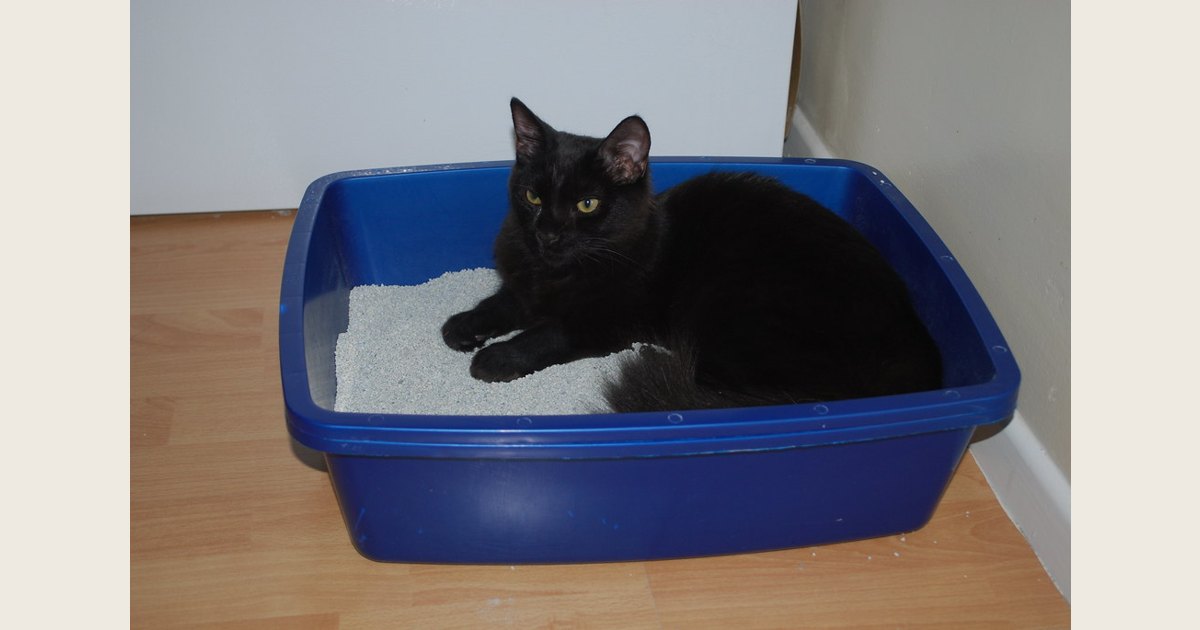
A cat lying in the litter box is not a diagnosis. Sometimes a cat has decided that the box feels quiet, enclosed, or familiar. Other times, lingering there can accompany urinary discomfort, trouble getting comfortable, stress, or conflict over resources in the home. The important first question is whether your cat is urinating normally.
If your cat is repeatedly straining, crying, making frequent trips but producing little or no urine, or appears increasingly distressed, seek emergency veterinary care now. A urethral obstruction—a blockage of the tube that carries urine from the bladder out of the body—can look similar to other urinary problems at first, but it is a life-threatening emergency. Male cats are at higher risk because their urethras are longer and narrower. Cornell University College of Veterinary Medicine advises immediate treatment for a suspected obstruction.
If your cat is relaxed, eating, moving normally, and using the box normally, you can make a few low-pressure changes while watching closely. A new or persistent habit still deserves a call to your veterinarian, especially if anything about bathroom habits has changed.
Featured image credit: “he sleeps in the litter box” by wolfsavard via Flickr, licensed CC BY 2.0. Resized and padded. Illustrative stock photo; no product testing is implied.
Key takeaways
- A cat may rest in a litter box because it feels like a protected spot, but new litter-box behavior can also signal pain, stress, or an access problem.
- Straining, repeated unsuccessful attempts to urinate, crying, or only drops of urine are urgent warning signs—not a wait-and-see situation.
- Keep the litter box available. Instead of removing it or punishing your cat, offer a better resting place and make toileting easier, quieter, and safer.
- A veterinarian needs to rule out urinary and other medical causes before a behavior label fits.
First, rule out an urgent urinary problem
Cats with lower urinary tract problems may make many trips to the box, strain, pass only small amounts, cry while urinating, lick the genital area more than usual, have blood in the urine, or urinate outside the box. Those signs can have different causes, including bladder inflammation, stones, infection, or a blockage; watching at home cannot tell them apart. A veterinarian may use an exam, urinalysis, and sometimes imaging or other tests to work out the cause. Cornell explains the range of lower urinary tract signs and diagnostic steps.
Treat these observations as an emergency:
- Your cat is trying to urinate but no urine comes out.
- Your cat strains repeatedly and produces only drops or very small amounts.
- Your cat cries out, seems increasingly uncomfortable, or becomes markedly distressed during repeated box visits.
Do not assume that a cat is merely “hanging out” in the box when those signs are present. With a complete obstruction, urine cannot leave the body, and the cat can deteriorate rapidly. International Cat Care likewise advises urgent veterinary attention for a cat that is straining and failing to urinate or passing only spots of urine.
If this behavior comes with changes in appetite, activity, grooming, or elimination, arrange prompt veterinary assessment. Note when it began and whether it happens before, during, or after box visits.
Why a cat might lie in the litter box when it is not an emergency
Once urgent urinary signs have been addressed, look at the box from your cat’s point of view. The behavior may be an attempt to meet a need, not a sign that your cat is being difficult.
The box may feel sheltered or familiar
A box is enclosed, smells strongly of the cat, and is usually left alone. That can make it appealing to a nervous cat, a newly arrived cat, or a cat unsettled by construction noise, visitors, a move, or a routine change. A quiet hiding or resting area elsewhere may give your cat the same sense of security without turning the toilet into a bed.
The photo below shows an ordinary cardboard box, not a litter box. It illustrates the kind of enclosed alternative some cats may prefer for resting.
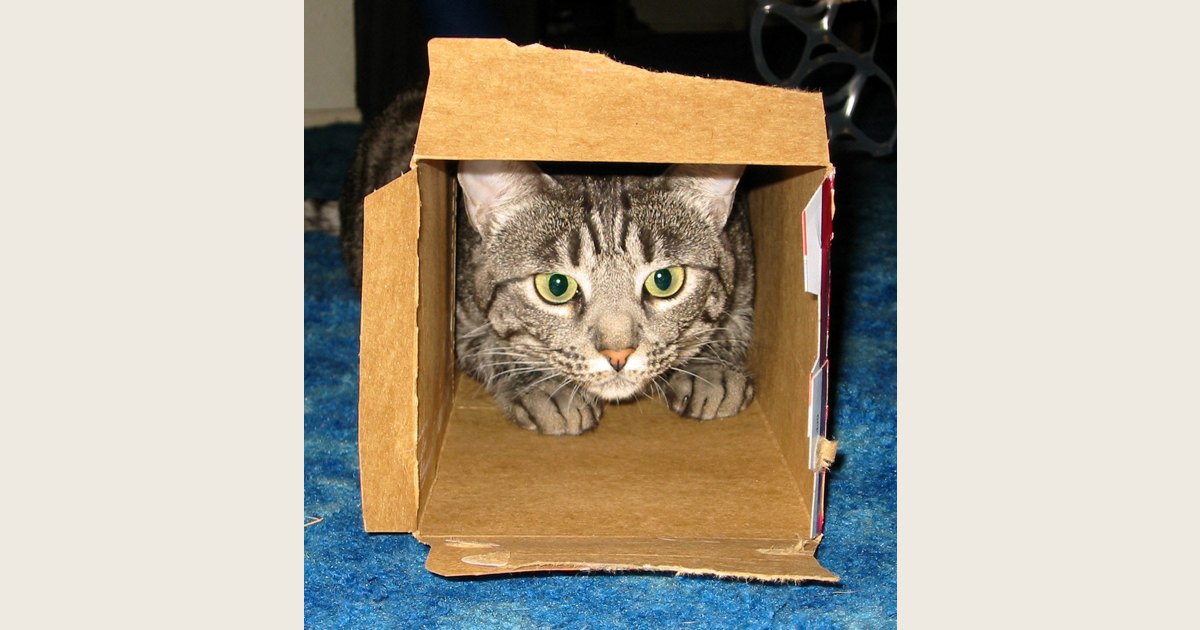
An ordinary cardboard box can be a separate, enclosed resting option. Photo: Cat in the Box by admiller via Flickr, licensed CC BY 2.0. Resized and padded. Illustrative stock photo; no product testing is implied.
Offer a clean bed, open carrier, or cardboard box in a calm spot away from the litter. This is not a substitute for a veterinary visit if urinary signs are present; it is simply a way to give a comfortable cat another place to settle.
The current setup may be uncomfortable
Box setup can matter, particularly in a multi-cat home. International Cat Care recommends at least one litter tray per cat plus one extra, with trays in different locations. It also advises avoiding noisy or busy areas and trying different litter types to learn a cat’s preference.
Another cat may be controlling access
In a multi-cat home, a cat may guard a resource or stay near the place they feel able to use. Conflict does not have to look like a fight: staring, blocking a hallway, or waiting outside the box can make it feel unsafe.
Spread litter boxes, water, food, scratching areas, and resting spaces through the home. Put boxes where there is a clear route out, not beside a loud appliance. For more placement ideas, see our guide to where to put a cat litter box.
Pain needs a veterinary explanation
Stress can play a role in feline idiopathic cystitis (FIC), a painful bladder inflammation of unknown cause that is diagnosed only after other urinary causes have been ruled out. It can cause frequent, painful, or difficult urination and changes in behavior. International Cat Care describes FIC and its overlap with other urinary problems.
That is why a “behavior” explanation should come after, not before, veterinary assessment. Do not start a urinary diet, supplement, or medication on your own because a cat is lying in the box. The best next step depends on the underlying cause and your cat’s medical history.
Kittens, senior cats, and pregnant cats need extra context
A young kitten may nap in unusual enclosed places, while a senior cat may choose a nearby familiar spot if getting around is harder. A low-entry box and separate soft resting area can help. Watch for stiffness, reluctance to jump, or trouble entering the box, and discuss it with a veterinarian.
Do not assume litter-box resting is harmless nesting behavior in a pregnant cat. Ask your veterinarian about a separate, clean nesting area. Urinary straining or failure to pass urine remains urgent regardless of pregnancy status.
What to do today: a practical checklist
Start with observation rather than a dramatic change. Removing the litter box can make a cat lose access to the toilet, and scolding can add stress without revealing the cause.
- Watch one complete box visit if you can do so without disturbing your cat. Note whether urine is produced, whether there is straining or vocalizing, and whether your cat leaves comfortably afterward. Emergency signs mean call an emergency veterinarian instead of continuing the checklist.
- Record the pattern. Note when it began, changes in litter or location, household changes, and any changes in urine or stool. A short video can help your veterinarian if it does not delay care.
- Keep the box clean and predictable. Scoop regularly and avoid abruptly switching a familiar litter. Our realistic litter-box cleaning schedule can help.
- Add choices. Provide an extra, easy-entry box in a calm location. In a multi-cat home, separate the boxes. Give your cat a separate bed or open box.
- Make access safer. Keep food and water away from litter boxes, reduce noise, and prevent another pet from cornering your cat. Try a low-sided option if mobility may be an issue.
- Arrange a veterinary appointment for a new or ongoing change. Bring your notes. A normal-looking box habit does not rule out pain.
Troubleshooting common patterns
| What you notice | A reasonable next step | What not to assume |
|---|---|---|
| Your cat naps in the box but urinates normally and otherwise acts like themself | Provide a separate quiet resting spot and monitor for changes. | That the habit proves there is no medical issue. |
| Your cat sits in the box, strains, or returns over and over | Seek urgent veterinary care, especially if little or no urine is produced. | That it is constipation, attention-seeking, or a territorial habit. |
| One cat waits near the box or another cat avoids it | Add and separate resources; watch for subtle blocking. | That no fighting means no conflict. |
| An older cat hesitates at a high-sided box | Offer an easy-entry box and schedule a veterinary discussion about mobility. | That aging alone explains a sudden change. |
| A behavior began after a move, new pet, or routine change | Restore predictability and offer more safe resting and toileting choices while arranging veterinary advice if it persists. | That stress rules out a physical problem. |
If the change also involves stool or defecating outside the box, see our guide to why a cat may poop outside the litter box. Urinary straining or little to no urine still requires urgent care.
Frequently asked questions
Is it normal for a cat to lay in the litter box?
It can be a short-lived preference for an enclosed, familiar space. Still, monitor a new or recurring habit; urinary signs make it a veterinary concern.
Should I take the litter box away so my cat stops sleeping in it?
No. Your cat needs reliable toilet access. Keep the box available and create more appealing, separate resting places instead.
Could this be a territory issue?
Possibly, especially in a multi-cat home, but litter-box lounging alone cannot confirm it. Resource guarding and stress can affect box use, while urinary pain can look behavioral.
When should I call the veterinarian?
Call urgently for straining, repeated attempts to urinate, little or no urine, crying during urination, or increasing distress. For a comfortable cat that newly starts lying in the box, contact your regular veterinarian soon if the change persists or other habits change.
A litter box should be a safe, easy-to-use toilet, not the only place your cat feels secure. Notice changes, offer better choices, and act fast on urinary warning signs.