The short answer: a cat may pee outside the litter box because of a medical problem, discomfort using the box, a stressful or inaccessible setup, a litter or location preference, or urine marking. Treat a new change as a possible health issue first—not defiance. A veterinary exam can help rule out urinary disease and other pain or health problems before you focus on behavior or equipment. Cornell Feline Health Center lists inappropriate urination among common signs of feline lower urinary tract disease.
The useful next move is usually simple: arrange veterinary care, make every box easy and safe to use, and avoid punishment. Then use the pattern of accidents to guide calm troubleshooting.
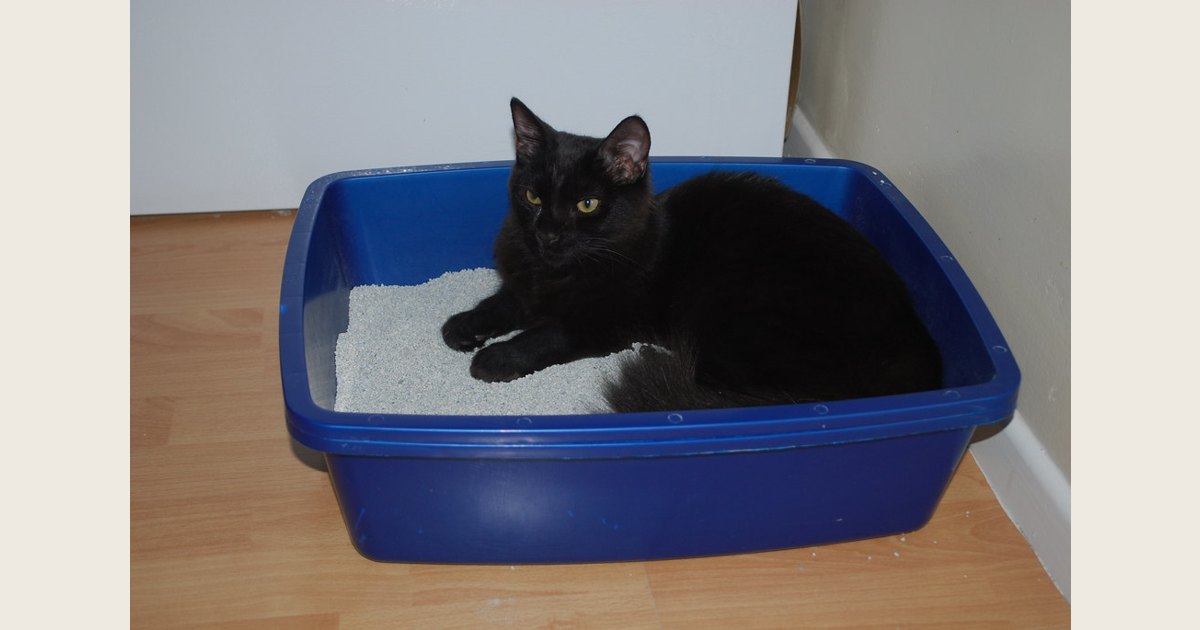
Photo: he sleeps in the litter box by wolfsavard, https://www.flickr.com/photos/31369133@N04/3873959131; https://creativecommons.org/licenses/by/2.0/. Resized and padded. Illustrative stock photo; no product testing is implied.
Key takeaways
- Do not assume it is behavioral. Pain, inflammation, urinary stones, obstruction, and other medical issues can change where or how a cat urinates.
- Treat straining, crying, blood in urine, or little to no urine as urgent. Those signs can accompany a urinary blockage, which requires immediate veterinary treatment.
- Make the box easy to choose. Provide enough clean, accessible boxes; a practical baseline is one per cat plus one extra.
- Separate a full urination from marking when you can, but do not diagnose at home. The distinction helps your veterinarian and guides the setup changes you try.
- Skip scolding. It can add fear without addressing pain, access, odor, or conflict.
Start with safety, not a new litter brand
When a previously reliable cat begins peeing elsewhere, book a veterinary assessment before assuming the cat dislikes the box. Lower urinary tract disease can involve difficult or painful urination, frequent attempts, vocalizing, blood in the urine, genital licking, and accidents outside the box. The possible causes are not interchangeable: Cornell notes that inflammation, stones, and urethral obstruction are among the conditions that can produce urinary signs. Read Cornell’s overview of feline lower urinary tract disease.
When is cat pee outside the litter box an emergency?
Seek immediate veterinary care if your cat repeatedly strains or tries to urinate, cries while trying, produces little or no urine, has blood in the urine, or becomes increasingly distressed. A urethral obstruction prevents urine from passing and is an emergency; it is not a wait-and-see litter-box problem. If you are unsure whether your cat has produced urine, contact an emergency veterinarian rather than trying to troubleshoot at home.
Less dramatic changes still matter. Pain while urinating can teach a cat to associate the box with discomfort, even after the original medical problem improves. Difficulty stepping over a high side can also make a box unappealing for an older cat or a cat with mobility limitations. The ASPCA’s litter-box guidance recommends ruling out medical problems and urine marking with a veterinarian before working through litter-box changes.
Is it urinating or urine marking?
Both leave urine outside the box, but they can point to different questions. Ordinary toileting is about emptying the bladder. Marking is a communication behavior often connected with stress, anxiety, frustration, or territory. A cat can have one issue, the other, or more than one factor at once.
| What you notice | What it may suggest | What to do next |
|---|---|---|
| A larger puddle on a horizontal surface, with the cat squatting | Toileting outside the box, a surface or location preference, box avoidance, or a medical issue | Record the pattern and arrange a veterinary exam. |
| A smaller amount on a vertical surface, often with the cat backing up and holding the tail upright | Urine marking | Still involve the veterinarian; then look for changes, outside-cat activity, or conflict that may be raising stress. |
| Frequent trips, straining, crying, blood, or little/no output | A potentially urgent urinary problem | Seek immediate veterinary guidance. |
The physical pattern is only a clue, not a diagnosis. The ASPCA notes that a cat who marks commonly still uses the litter box and may spray a smaller amount on vertical objects. That is why it is important not to write off a new accident as “just spraying” without medical guidance. If the issue is stool rather than urine, see our separate guide to why a cat poops outside the litter box.
Why a litter box can stop working for a cat
A box can be technically available and still feel unusable. Cats may avoid a box that is dirty, small, hard to enter, located near a scary noise, or positioned where another animal can block the exit. A frightening event or painful elimination can also create a negative association with that spot.
Household changes can matter, too. Moving, visitors, a new pet, conflict between cats, a different routine, or outdoor cats visible through a window may increase stress. In multi-cat homes, the problem is not always a fight beside the box. One cat may quietly control a hallway or doorway, making another cat feel unsafe getting to the box. The ASPCA identifies household stress and multi-cat conflict as potential contributors to litter-box problems.
Litter itself can be part of the picture. Scent, texture, depth, and a sudden brand change may affect a cat’s willingness to use the box. Instead of cycling through products at random, make one measured change at a time and give the cat a clear alternative. That makes it easier to see what helps.
Build a box setup that is easy to use
Start with the basics before buying specialty products. The Ohio State University Indoor Pet Initiative recommends one litter box per cat, plus one, with boxes on each level of a multistory home. Put them in quiet, easily reached locations, away from appliances or air ducts that can startle a cat and away from spots where another pet can trap the exit. Its litter-box guide also recommends a box large enough for the cat to stand on all four paws and turn around.
Use this checklist as a practical reset:
- Add access, not just capacity. Spread boxes through the home instead of lining them all up in one room. Choose routes your cat can use without passing a dog, a food station, or a cat that causes tension.
- Offer an easy-entry option. A large, uncovered box is a good starting point. Include a low-sided box for a kitten, an older cat, or any cat that may struggle to step over a tall rim.
- Keep litter simple at first. Ohio State notes that many cats favor fine-grained, unscented litter. About two inches gives room to dig without making the box overly deep.
- Clean consistently. Scoop daily and wash the box weekly with mild dish detergent. For a more detailed household routine, see our realistic litter-box cleaning schedule.
- Try choices, not a surprise switch. If you suspect litter aversion, place a new option beside the familiar one rather than replacing every box at once. Observe which box your cat uses.
Photo: Cat in the Box by admiller, https://www.flickr.com/photos/32426194@N00/3481540472; https://creativecommons.org/licenses/by/2.0/. Resized and padded. Illustrative stock photo; no product testing is implied.
Box placement deserves the same attention as box type. A laundry-room corner may be convenient for people but noisy or isolating for a cat. A quiet space with a clear approach and exit is usually a better starting point. For more location ideas, read Where to Put a Cat Litter Box: Placement Rules for a Happy Cat.
A calm, practical reset plan
Once urgent illness has been addressed or veterinary care is underway, work through a short reset rather than trying everything in one day.
- Write down the pattern. Note when accidents occur, whether urine is a puddle or a vertical spray, the location, and any recent change in the home. This information can make a veterinary conversation more useful.
- Remove the invitation to return. Clean accidents thoroughly with an enzymatic cleaner made for pet urine, following its label directions. Avoid ammonia-based cleaners; the ASPCA notes that their odor can draw a cat back to the same area.
- Place help where the problem happens. If accidents repeatedly occur in one safe, practical area, temporarily add a box there or as close as possible. You can later adjust the location gradually if your cat uses it reliably.
- Reduce access barriers. Add a box on the floor where your cat spends time, lower the entry if needed, and make sure every cat can reach a box without a confrontation.
- Reduce stress without forcing interaction. Keep routines predictable where you can, distribute food, water, resting spots, and boxes in a multi-cat home, and give each cat places to rest away from traffic.
- Do not punish. Do not rub your cat’s nose in urine, scold, or carry them to the box. These responses can make the box or the situation more frightening and do not solve the cause.
The goal is not to make your cat “learn a lesson.” It is to make the safe choice—the litter box—more comfortable, accessible, and appealing while a veterinarian helps identify any health component.
What if the accidents continue?
Return to the veterinarian if urinary signs recur, the pattern changes, or your cat is still avoiding the box after the medical and setup pieces have been addressed. Persistent accidents can reflect an unresolved health problem, pain, a learned aversion, or stress that needs a more tailored plan. Your veterinarian may also suggest a qualified behavior professional for a cat with a continuing fear, marking, or household-conflict issue.
Avoid declaring the problem solved after one dry day. Keep the successful box arrangement and cleaning routine steady, then change only one variable at a time if you need to refine it. That approach is slower than buying several new products, but it gives you a better chance of learning what your individual cat needs.
Frequently asked questions
Can a dirty litter box make a cat pee elsewhere?
Yes. Cats can avoid a box that is not clean enough for them, and Ohio State advises daily scooping and weekly washing with mild dish detergent. But cleanliness does not rule out medical discomfort or stress, so a sudden change still warrants veterinary attention.
Should I switch to a covered litter box for more privacy?
Not automatically. Many cats prefer a large, uncovered box, and covered boxes can concentrate odor. Start with a roomy, accessible option and let your cat’s use—not human preference for hiding the box—guide the decision.
How quickly should I change litter if my cat avoids the box?
Offer a second box with a different, unscented option alongside the familiar litter rather than abruptly changing every box. A side-by-side choice can reveal whether texture or scent is part of the problem while preserving a known option.
Can moving the box fix accidents in one spot?
It can help when a cat has developed a location preference. Put a box in or near the chosen area when practical, while also checking whether the original box was hard to reach, noisy, dirty, or socially unsafe. It is one piece of the solution, not a substitute for veterinary assessment.