A stainless steel cat litter box can be a worthwhile upgrade if it gives your cat enough room, an easy entry, and a stable place to toilet. Its practical appeal is a hard, smooth surface that is straightforward to wipe and unlikely to crack like a thin plastic pan. But material alone does not control odor, make a too-small box comfortable, or solve a cat’s sudden refusal to use the box.
Choose the box around your cat first: ample floor space, sides that suit their mobility and litter habits, rounded safe edges, and a location they can reach without feeling trapped. Then decide whether stainless steel’s cost, sound, and weight work for your household.
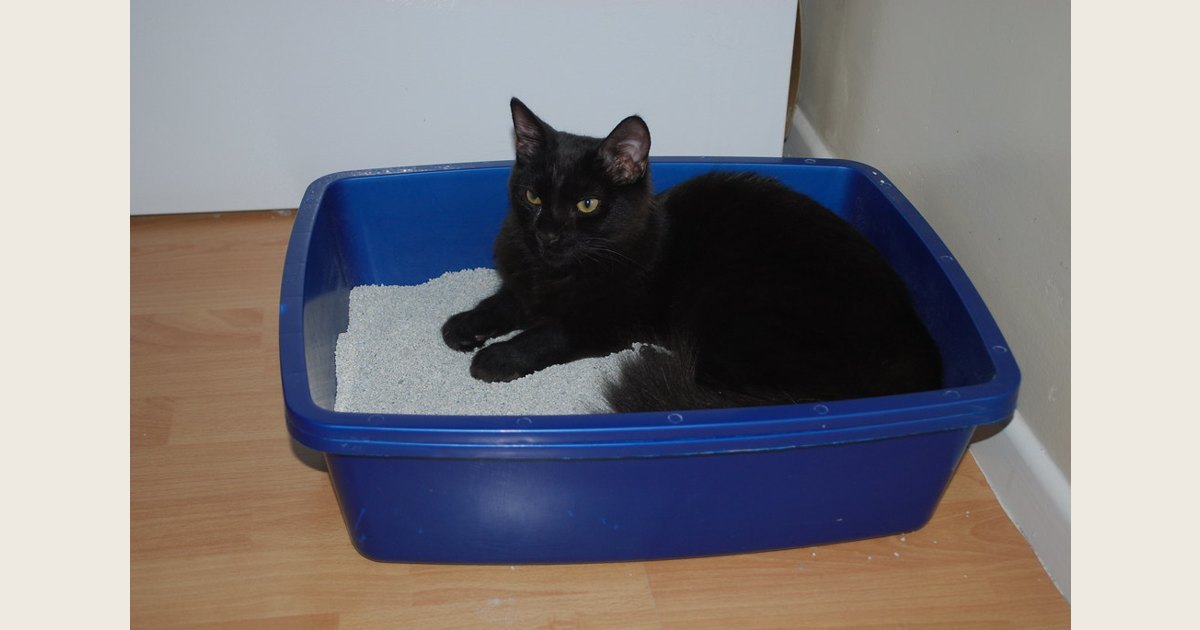
Featured image: “he sleeps in the litter box” by wolfsavard, CC BY 2.0. Resized and padded. Illustrative stock photo; no product testing is implied.
Key takeaways
- A good stainless steel pan is roomy, stable, smooth at its seams, and easy for your individual cat to enter.
- Stainless steel may simplify washing, but daily waste removal, the right litter, and good placement still matter more for odor.
- Skip a box with sharp edges, a wobbly base, or sides that force an older or mobility-limited cat to climb too high.
- Keep the old setup available during a change. A new box should not delay veterinary advice for a sudden toileting change.
What stainless steel changes—and what it does not
A stainless steel litter box is usually an open metal pan rather than a self-cleaning system. Unlike lightweight molded plastic, a well-made metal pan has a rigid shape and a smooth interior. That can make stuck-on litter easier to see and wash away. It also avoids the deep scratches that can develop in plastic over time. Those are maintenance conveniences, not a guarantee of a cleaner-smelling home.
Odor comes from waste and soiled litter. Daily waste removal and routine washing make a larger difference than pan material. The Ohio State University Indoor Pet Initiative recommends scooping daily and washing the box weekly with mild dish detergent. Dry it completely before refilling. Avoid harsh or strongly scented cleaners that leave a residue or fragrance your cat may dislike. If the box still smells shortly after a thorough clean, look beyond the pan: old litter, a poor scoop routine, inadequate ventilation, or a hidden spill nearby may be the real issue.
Stainless steel also does not override the rest of the setup. The ASPCA notes that access, box size, location, and conflict among cats can all contribute to litter-box problems. In a multi-cat home, a beautiful new metal pan in one contested corner is less useful than enough accessible boxes in separate, calm places.
Stainless steel versus plastic: the tradeoffs that matter
Neither material is universally better. The better choice is the one your cat uses comfortably and you can keep clean consistently.
| Consideration | Stainless steel | Plastic |
|---|---|---|
| Everyday cleaning | A smooth, rigid surface is generally simple to wipe and rinse. | Familiar and widely available, but worn surfaces can be harder to inspect and scrub. |
| Durability | Often resists cracking and warping when made from sturdy metal. | Can be lightweight and inexpensive, but may flex, crack, or become scratched over time. |
| Noise | Scooping or a cat digging can sound louder against metal. | Usually quieter when litter hits the sides. |
| Weight and stability | A heavier pan can stay put, although a thin model may still slide. | Easy to move, but very light pans may shift or tip. |
| Price | Often costs more up front. | Usually offers more low-cost choices. |
| Fit for the cat | Available in large open pans, but side height and entry still vary. | Available in the widest range of shapes, heights, and covered options. |
Noise is an easy detail to overlook. If your cat startles at metallic scraping, use a quiet scoop, place the pan on a washable nonslip mat, and do not bang the scoop against the sides. A mat can also reduce movement and catch tracked litter, but it should not make the entrance harder to reach.
A covered enclosure is a separate decision from the pan material. It may contain kicked litter for some households, yet it can hold odor and reduce a cat’s view of the room. Start with your cat’s established preference rather than assuming a lid is more private or more hygienic.
How to choose a stainless steel cat litter box
Start with interior floor space
Measure the usable inside length and width, not just the product’s outside dimensions. The cat needs enough room to step in, turn around, dig, and position without pressing against the walls. The Ohio State University Indoor Pet Initiative advises choosing a box large enough for a cat to stand on all four feet and turn around. A larger cat or an enthusiastic digger may need more space. Do not trade away floor area simply to fit a box into a narrow nook.
For kittens, consider the grown cat’s likely size if you want a long-term purchase. For a household with cats of very different sizes, offer at least one box that fits the largest cat well.
Match the sides and entry to your cat
High-sided pans can contain scatter, especially for cats that dig vigorously or urinate toward the side. Yet an all-around high wall can be a barrier for a senior cat, a kitten, or a cat with limited mobility. Look for a low, broad front entry with taller sides and back when you need both easier access and more containment.
Run a hand carefully around the rim, corners, seams, and any drain-like holes before use. Edges should be rolled, smooth, and free of burrs. The pan should sit flat without rocking. A removable metal insert is only helpful if it cannot rattle, pinch paws, or shift when the cat steps in.
Check the details that affect daily use
Use this quick pre-purchase checklist:
- Interior dimensions: Is the actual floor large enough for your cat to turn and dig?
- Entry height: Can your cat step in without hesitation?
- Wall height: Will it contain your cat’s normal digging and elimination posture?
- Construction: Are the rim and seams smooth, with no sharp unfinished edges?
- Base: Does it sit securely on your floor or a nonslip, washable mat?
- Handles and corners: Can you carry a filled pan without uncomfortable edges or flexing?
- Cleaning access: Can you reach every interior corner with your usual cleaning tools?
- Replacement plan: If the pan is large or heavy, can everyone who handles it lift it safely when full?
Do not choose solely by a seller’s claim that a box is “XL.” Product labels are inconsistent; the interior measurement and entry height are the useful numbers.
Set up the new pan without making the switch a test
Keep the existing box where the cat already uses it, then place the new stainless steel box nearby with the same familiar litter. This lets your cat investigate without losing their known toileting option. Once the new pan is being used reliably, you can remove the old one if you do not need it to meet your household’s box count.
Use an open, quiet area away from food and water, loud appliances, and places where another pet can block the exit. In homes with multiple cats, spread boxes out rather than lining them up in one spot; neighboring boxes can function like one guarded resource. The Ohio State University Indoor Pet Initiative recommends one box per cat plus one extra, with boxes on each level of a multistory home.
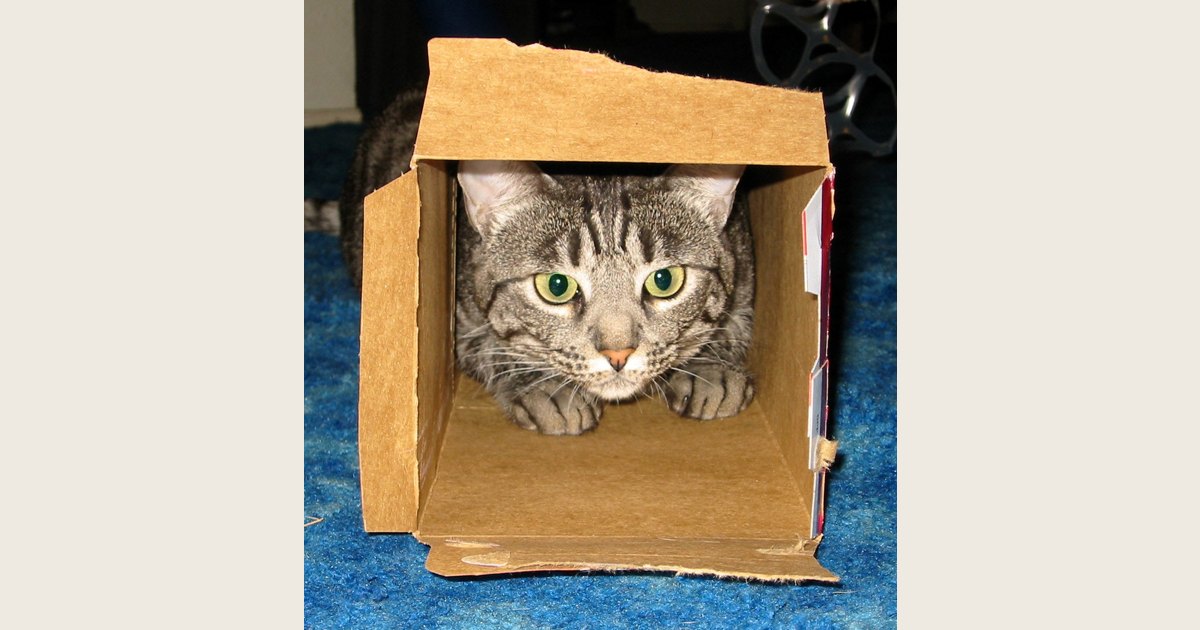
Give a cat time to investigate a new litter-box setup rather than forcing the change. Photo: Cat in the Box by admiller, CC BY 2.0. Resized and padded. Illustrative stock photo; no product testing is implied.
Placement deserves as much attention as the product. For a room-by-room checklist, see our guide to where to put a cat litter box. Once the new box is in service, a steady routine matters: scoop waste every day, clean accidental spills around the pan, and follow the litter package’s guidance for changing the full contents. Our practical guide on how often to change a cat’s litter box can help you build that routine.
When a stainless steel box is not the right answer
Keep or choose plastic—or another appropriate setup—when it better meets the cat’s needs. Examples include a very low-entry pan for a cat that cannot comfortably step over a metal box’s rim, a quieter pan for a sound-sensitive cat, or a temporary familiar box while you address sudden avoidance.
Do not assume a cat is being difficult if they stop using a box. A new toileting change can relate to pain, illness, stress, litter preference, access, or conflict with another pet. The ASPCA advises ruling out medical problems with a veterinarian before treating inappropriate elimination as a setup problem. Arrange a veterinary assessment for a sudden change in litter-box habits, rather than repeatedly changing products or punishing the cat. For immediate at-home troubleshooting while you arrange care, read why a cat may pee outside the litter box.
The bottom line: buy stainless steel for its durable, easy-to-wash format—not as a cure-all. A large, stable, accessible pan in a calm location, paired with enough boxes and dependable cleaning, gives your cat the best reason to use it.