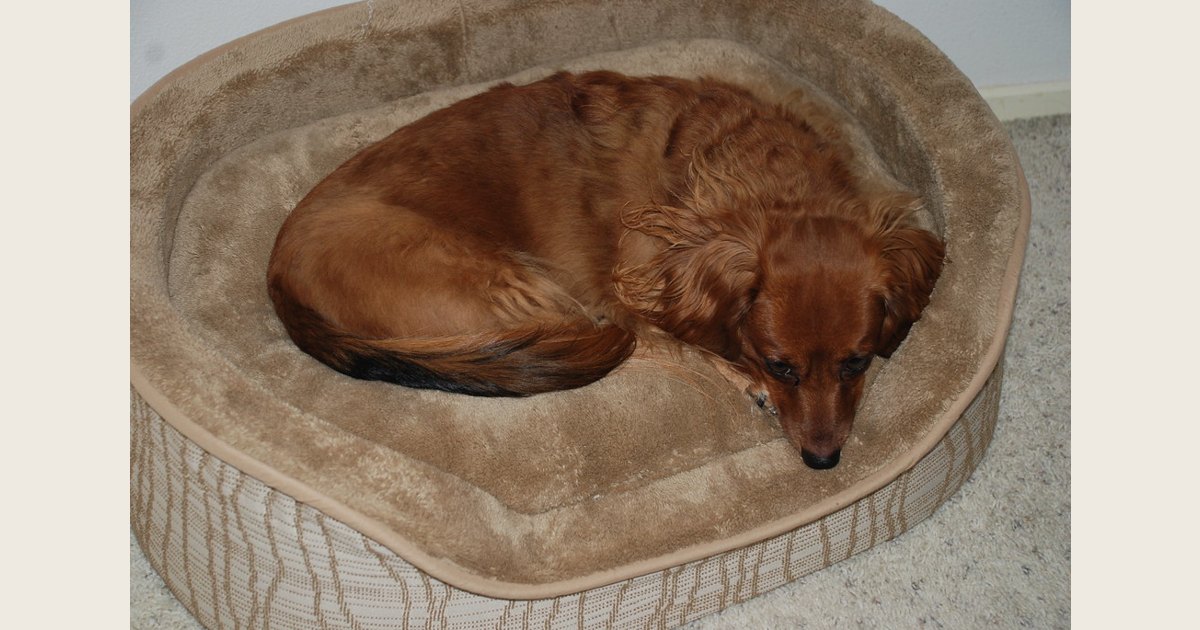
A dog shelter bed is a useful donation only if the receiving organization can accept and use it. Before shopping, confirm its current request, size and style needs, care requirements, condition rules, quantity, and delivery plan. There is no one “best” bed for every facility or dog.
Use the questions, comparison method, and checklist below to make a specific proposal; the recipient’s current instructions determine what to buy.
Key Takeaways
- Contact the specific shelter or rescue before buying; confirm its current needs and donation rules.
- Compare dimensions, cover and insert care, condition, and delivery requirements—not just softness or price.
- Get approval for used, bulky, special-purpose, or bulk-order beds before arranging delivery.
Ask the shelter before choosing a bed
Check the intended recipient’s current wish list, then contact the location if the listing is unclear or doesn’t mention beds. Needs can differ between organizations and change over time, so treat an old post or another shelter’s policy as no guarantee of current acceptance.
Before buying, confirm:
- Whether beds are wanted now, and which dimensions or styles fit the intended spaces.
- Whether new or used beds are acceptable, and any condition requirements.
- Whether the cover, insert, materials, or assembly conflict with its care routine or setup.
- The requested quantity and the approved drop-off method, place, and time.
Send a product link with its outside dimensions, sleeping-area dimensions if available, materials, care instructions, and quantity. Specifics such as “28 by 20 inches, removable cover, foam insert, one bed” are easier to evaluate than a label like “large washable bed.” Hold the order until you have clear instructions.
Compare bed styles by fit and upkeep
Once the shelter confirms what it can use, compare options against that request. Product labels such as “orthopedic,” “indestructible,” or “easy-clean” don’t answer whether a bed fits a kennel, can be handled by staff, or meets the organization’s preferences. Check the details and ask about anything the listing leaves out.
| Bed style | What to check | Main tradeoff to discuss |
|---|---|---|
| Flat mat or pad | Length, width, thickness, seams, and whether a cover comes off | A low-profile shape may store or fit differently from a thick cushion; check the requested footprint and padding. |
| Bolster or cushioned bed | Total outside dimensions, the open sleeping area, entry height, and whether the cover and insert separate | Raised sides can reduce usable flat area inside the same outside footprint; a removable cover still leaves the insert’s care to resolve. |
| Elevated cot | Outer frame footprint, clearance beneath the frame, fabric-panel attachment, assembly needs, and care instructions | The frame and raised sleeping surface differ from a padded mat; confirm there is room, a use for this style, and a workable setup. |
| Foam or specialty bed | Foam dimensions and construction, cover closure, insert care instructions, and replacement availability | A washable cover is only one component. Confirm the recipient can handle the insert and wants this particular construction. |
A quick fit example
Suppose a recipient requests a bed no larger than 30 by 20 inches, with a low entry and a removable cover. Compare those requirements with the product’s outside footprint first. A 30-by-20-inch bolster bed may leave a smaller sleeping surface than a flat mat with the same outside dimensions, and a high bolster may conflict with the low-entry request. Then read both the cover and insert care directions. If the listing omits insert care, the dimensions do not match, or the entry is too high, set that option aside rather than treating a “small” or “washable” label as proof of fit. These are example criteria, not a real shelter request; use the recipient’s actual specifications.
Measurements matter more than size names. “Large” varies across brands, so compare exact dimensions with the requested space and sleeping area. For construction and care considerations, see our guide to choosing a memory foam dog bed; confirm shelter acceptance separately.
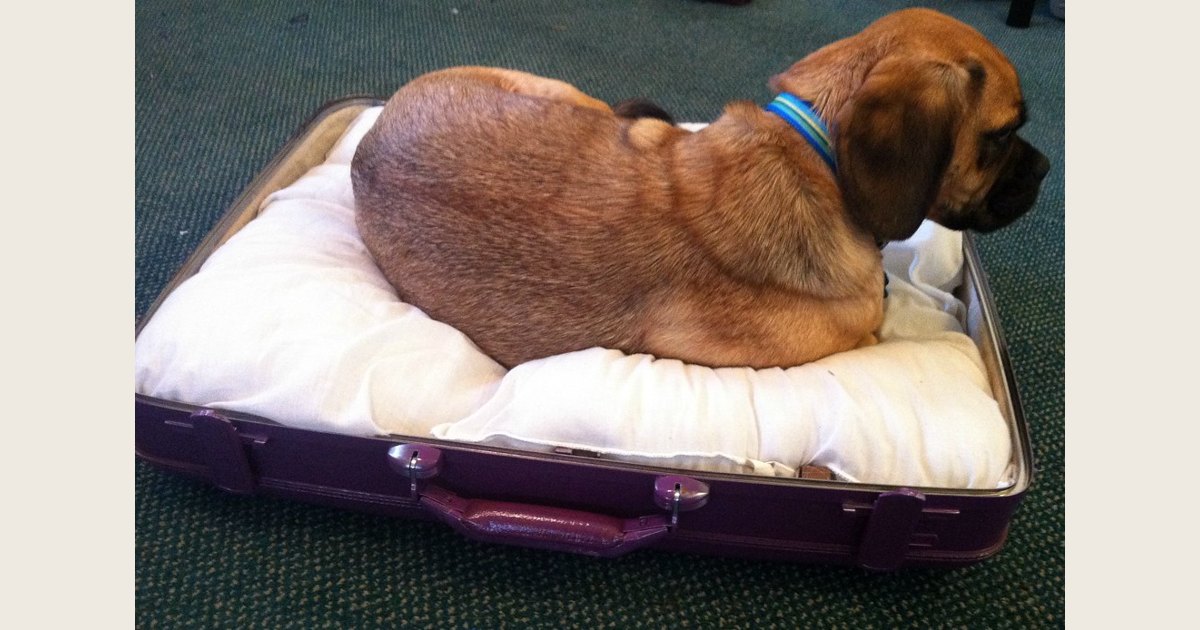
The raised rim marks the bed’s outer edge, while the cushion inside it is the visible sleeping surface—two areas to compare separately with a shelter’s request. This illustrative photograph provides no measurements and is not to scale. Photo: “Upcycled Dog Bed” by Hey Paul Studios, CC BY 2.0. Resized and padded; illustrative stock, not a product test.
Raised edges can make a bed’s sleeping surface smaller than its outside footprint; check both measurements when the recipient specifies a size.
Match the bed to the intended dog and space
A bed that suits one dog or kennel may not suit another. Ask whether the shelter has a current size or style request, and whether the donation is for general use, a specific dog, or a foster home. Don’t pick a bed based only on breed, a product photo, or an assumption that every dog prefers thick padding.
For the proposed item, compare the outside footprint, available sleeping area, and entry height with the recipient’s stated limits. Check that any frame or raised edge suits the intended placement. For a specific dog’s mobility or medical needs, let shelter staff or its veterinary team decide whether a specialty bed is appropriate. Confirm the quantity before ordering.
Check cleaning, condition, and durability details
“Washable” may describe only a removable cover, not every part of a bed. Check the maker’s directions for each component and note what separates, what stays attached, how each piece is cleaned, and whether assembly or replacement parts are involved. Tell staff those details and ask whether this specific setup fits its process; don’t assume household washing instructions apply to the facility.
For a used bed, describe its condition and follow the recipient’s preparation directions. Disclose damage, dampness, missing parts, or exposed filling rather than assuming an item is acceptable. Ask separately before adding blankets or other accessories. Construction details such as seams, closures, and detachable parts help staff assess the proposed item, but don’t guarantee how long it will last.
For more on care labels and washing at home, see our guide on whether you can wash a dog bed in a washer. The maker’s directions apply to that product; the recipient’s process may differ.
Arrange the purchase and delivery
Once staff approves the specific item, confirm any requested brand, size range, condition, or quantity limit. Before delivery or shipment, verify the destination, hours or appointment, packaging directions, and whether someone can receive a parcel. If the item is unavailable, ask before substituting; don’t add unrequested extras.
A concise message can cover the essentials:
“Hi, I’d like to donate one dog bed. Are you accepting beds right now? Here’s the listing, with dimensions and care details: [link]. Is this style and size useful, and should it be new? If approved, where and when should I deliver it?”
If the answer is “not right now,” ask whether the shelter has another current need or preferred way to help.
Common donation snags
- No beds appear on the wish list: Ask whether the current list is complete or another size is needed; don’t treat an older post as current.
- The proposed bed is declined: Ask which requirement it misses, then submit a better-matched option before buying.
- You have a used bed but the recipient requires new: Follow that policy and look for another current request or approved way to help.
- You want to donate several beds: Confirm each size and the total quantity before ordering; volume by itself doesn’t establish a need.
- You can’t confirm acceptance or delivery: Hold the donation. Don’t leave an unannounced item or ship it to an unconfirmed address.
Frequently asked questions
Do animal shelters accept used dog beds?
Some organizations may accept them and others may not. Ask the specific recipient about its current rules, acceptable condition, and preparation instructions before bringing one in.
What size dog bed should I donate?
Use the dimensions or size range the shelter requests rather than relying on labels such as medium or large. Send a product link and exact measurements so staff can confirm whether it fits the intended space.
Are washable or orthopedic dog beds best for shelters?
There isn’t a universal best choice. Compare the specific bed’s care details with the recipient’s instructions. Donate an orthopedic or specialty bed only when staff confirms the item and intended use.
Can I donate blankets with a dog bed?
Ask separately; blankets may have different current needs or handling requirements.
What if the shelter has no current bed request?
Don’t buy or leave one anyway. Ask what kind of support fits its current needs. The ASPCA lists adopting, fostering, and volunteering as ways to support local shelters and rescues (ASPCA, “U.S. Animal Shelter Statistics”); these are options identified by that organization, not a promise that every local group offers the same programs.
What other ways to help may be available?
Ask the organization which options it currently offers. Humane World for Animals lists volunteering and fundraising as ways to support animal welfare (“Ways to give”); local programs and needs vary.
How do I compare two similar beds?
Compare outside dimensions, usable sleeping area, entry height, what separates for cleaning, and the recipient’s stated quantity and condition requirements. A product label alone doesn’t answer whether that exact item is wanted.
Make the donation easy to use
The most useful dog shelter bed is the one the recipient has asked for and can put to use. Match the style, dimensions, care details, quantity, and delivery plan to its current request; if there is no bed request, ask what would help instead.
Image credits
- Featured photo: “Molly the Dachshund Loves her Dog Bed” by Howard O. Young, CC BY 2.0. Resized and padded; illustrative stock photo, not a product test.
- In-article photo: “Upcycled Dog Bed” by Hey Paul Studios, CC BY 2.0. Resized and padded; illustrative stock photo, not a product test.