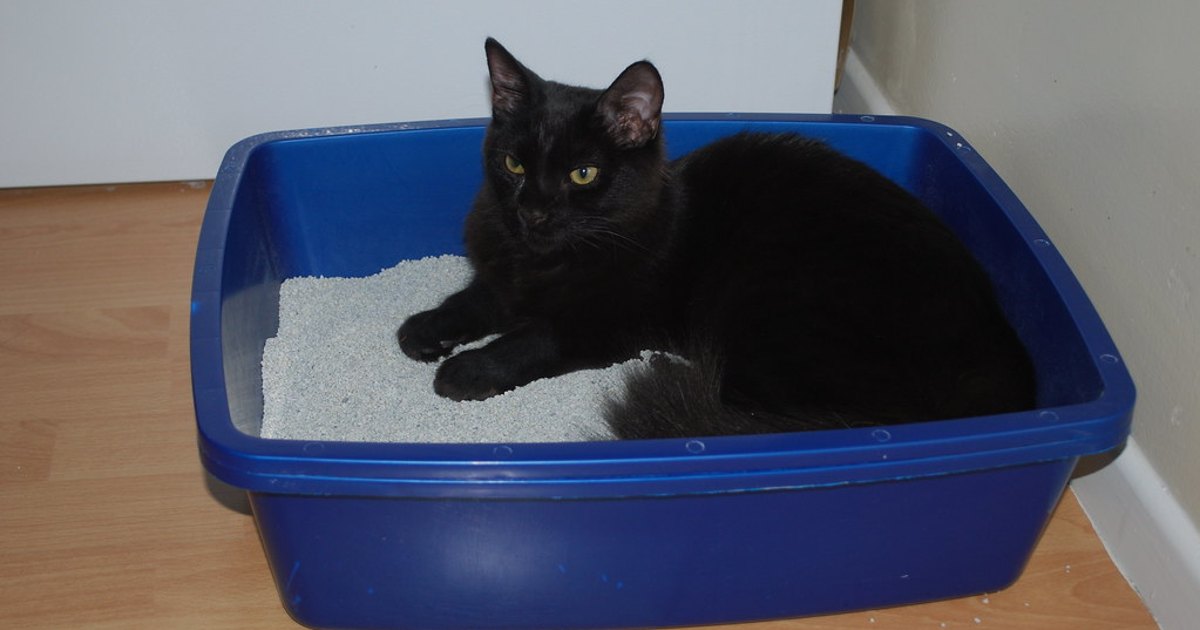
When a cat starts pooping outside the litter box, the most reliable first step is a veterinary exam to rule out a medical cause, followed by a methodical check of the box itself: how clean it is, how big it is, what litter is in it, how deep that litter is, and where the box sits. Inappropriate elimination is one of the most common problems cat owners report, and it usually traces back to a health issue, a box the cat finds unpleasant, or a spot the cat would rather use instead (Cornell Feline Health Center, retrieved 2026-09-14). Work through the checks below in order, starting with the easiest and the most important.
Key Takeaways
- See a veterinarian first. Painful defecation from constipation or GI problems can make a cat avoid the box, and cats with medical conditions don’t always look sick.
- Most box problems come down to cleanliness, size, litter type, litter depth, and location. Cats generally prefer a large uncovered box, unscented clumping litter, and one to two inches of litter.
- Provide one litter box per cat, plus one extra, in quiet and accessible spots away from food.
- Never punish a cat for accidents, and never clean them with ammonia-based products.
Rule Out a Medical Problem First
Before you change anything about the box, get your cat examined. Any condition that makes urinating or defecating painful, urgent, or hard to control can drive a cat out of the box, and the association between pain and the box can outlast the illness itself (Cornell Feline Health Center, retrieved 2026-09-14).
Constipation is a common culprit for stool specifically. Cornell’s feline center defines it as the infrequent or difficult passage of hard, dry feces and notes it can be caused by ingested fur, GI obstructions, tumors, strictures, electrolyte disturbances, neuromuscular disease, and drug side effects; they advise treating it fairly aggressively because severe cases can progress to megacolon, which may require surgery (Cornell Feline Health Center, retrieved 2026-09-14). Kidney disease, thyroid disease, diabetes, and age-related declines in mobility or cognition can also interfere with getting to the box in time.
Call your vet sooner rather than later if your cat is straining without producing much, crying while eliminating, passing very hard or very infrequent stool, has a tender belly, or shows blood, lethargy, or appetite loss. These signs point to problems that home box changes will not fix.
Clean the Box More Often
Almost all cats want a clean box. The ASPCA recommends scooping at least once a day and doing a full clean about once a week, rinsing the box with unscented soap or baking soda (ASPCA, retrieved 2026-09-14). Some cats refuse a box that holds any waste at all, and signs that cleanliness is the issue include a cat who perches on the rim, refuses to bury waste, or goes right next to the box instead of in it.
Skip scented cleaners. A cat can develop an aversion to the added fragrance, which just trades one problem for another.
Fix the Box, the Litter, and the Depth
If the box is clean and the vet has cleared your cat, look at the box setup itself. Both the ASPCA and Cornell describe a fairly consistent set of feline preferences (ASPCA, retrieved 2026-09-14; Cornell Feline Health Center, retrieved 2026-09-14):
| Feature | What many cats prefer | Common mistake |
|---|---|---|
| Box size | Large enough to enter and turn around | Box too small for the cat |
| Cover | Uncovered, with a full view out | Hood that traps odor and blocks sightlines |
| Liner | No liner | Liner the cat dislikes |
| Litter type | Unscented, clumping, medium-to-fine texture | Scented or coarse litter, sudden brand switch |
| Litter depth | About 1 to 2 inches | 3 to 4 inches, which is too deep |
You don’t have to guess which change matters. To find a litter your cat prefers, set out two or three boxes side by side, each with a different litter, and let the cat show you which one gets used. If you must change brands, do it gradually by mixing small amounts of the new litter into the old.
A useful budget tip: you don’t need a specialty product to get a bigger box. The ASPCA points out that a plain plastic sweater storage container makes an excellent large litter box. Self-cleaning boxes are fine for many cats because they stay cleaner, but if your cat starts avoiding one, switch back to a simple open tray before spending more.
Match the Box to Your Cat’s Body
A box that works for a young, agile cat can be a barrier for others. Larger and overweight cats need bigger boxes, while kittens, elderly cats, and cats with arthritis or other mobility problems need boxes with low sides they can step into easily (Cornell Feline Health Center, retrieved 2026-09-14). High-sided boxes and top-entry designs are exactly the styles that trip up geriatric or arthritic cats, so if your older cat has recently started missing, a lower box is one of the first things to try (ASPCA, retrieved 2026-09-14). Don’t put the box up or down a flight of stairs if your cat struggles to climb.
Rethink Location and Reduce Stress
Where the box sits matters as much as what’s in it. Cats like a quiet, private spot that is separate from their food and easy to reach at all hours, with enough openness that they can see who is coming and have more than one way out. A box wedged into a corner or surrounded on three sides can leave a cat feeling trapped, and a covered box can add to that feeling of being cornered (Cornell Feline Health Center, retrieved 2026-09-14). Keep boxes away from noisy appliances and away from the dog’s bowls.
Stress from changes the cat notices, such as a move, a new pet or person, or even a shift in your daily routine, can also disrupt box use (ASPCA, retrieved 2026-09-14). Keep feeding and cleaning routines predictable, and if outdoor cats are unsettling your cat, close the blinds. If you need to move a box to a better location, do it gradually rather than all at once so the cat can follow it.
Handle Multi-Cat Households and Surface Preferences
With several cats, one may be guarding the boxes, and even indirect tension can be enough to push another cat elsewhere. Provide as many boxes as you have cats, plus one, and spread them across different areas so no single cat can block access to all of them (ASPCA, retrieved 2026-09-14). If you can’t tell who is soiling, your vet can supply a non-toxic dye or, for stool, a small amount of brightly colored non-toxic crayon that shows up in the feces (Cornell Feline Health Center, retrieved 2026-09-14).
Once a cat has been eliminating on a particular surface or spot, it can develop a preference for it. Make the soiled area less appealing with a bright or motion-activated light, or by covering it with upside-down carpet runners, foil, or double-sided tape, while offering acceptable boxes nearby. You can also change what a spot means to the cat by putting food, toys, or a bed there, since cats prefer to keep eliminating and eating in separate places.
Clean Accidents the Right Way, and Skip the Punishment
How you respond to an accident shapes whether it happens again. Two rules stand out from the veterinary guidance:
- Never punish. Do not rub your cat’s nose in it, scold, or drag the cat to the box. Punishment is ineffective and the anxiety it creates can make house soiling worse. The idea that a cat soils out of revenge doesn’t hold up, since cats aren’t disgusted by their own waste and can’t connect a punishment to something they did moments earlier (Cornell Feline Health Center, retrieved 2026-09-14).
- Neutralize the odor. Clean accidents with an enzymatic cleaner made for pet messes, and avoid ammonia-based or vinegar cleaners. Both smell like urine to a cat and can draw it back to the same spot (ASPCA, retrieved 2026-09-14).
If the behavior is tied to anxiety, a veterinarian or veterinary behaviorist can discuss synthetic pheromone products or, in some cases, medication. Medication is only part of a plan and should always be used alongside environmental changes and under veterinary supervision, never on its own.
Frequently Asked Questions
Is pooping outside the box an emergency?
Not always, but it’s a reason to call your vet, especially if your cat is straining, crying, passing hard or very infrequent stool, or seems lethargic or off its food. Painful or obstructed defecation needs prompt care, and cats with medical problems don’t always look ill.
My cat pees in the box but poops next to it. Why?
A cat can accept a box for one function and avoid it for another. Common reasons include a box that isn’t clean enough for the cat’s standards, a box that’s too small to turn around in comfortably, or discomfort during defecation. Recheck cleanliness and size, and mention the pattern to your vet.
Do I need to buy special products to fix this?
Usually not. Most fixes are about management: scoop daily, use a large uncovered box, offer unscented clumping litter at one to two inches deep, add boxes, and place them well. A plain storage tub works as a large box, and an enzymatic pet cleaner is the main purchase worth making for cleanup.
The Bottom Line
Pooping outside the litter box is common and almost always solvable, but the order of operations matters. Start with a vet visit to rule out constipation and other medical causes, then work through the box basics: keep it clean, make it big and uncovered, use shallow unscented clumping litter, add a box or two, and place them in calm, accessible spots. Give the changes time, avoid punishment, and clean accidents with an enzymatic cleaner so old spots don’t keep drawing your cat back.
Image credit: Hero photo “he sleeps in the litter box” by wolfsavard, Flickr, licensed under CC BY 2.0. Resized and cropped. Illustrative stock photo; no product testing is implied.