Cat litter box furniture can make a litter area look more like part of the room. It is a good choice only if your cat can enter easily, turn around comfortably, use a clean box, and leave without feeling trapped. Start with the litter box your cat already uses successfully, then choose furniture that fits around it—not the other way around.
A cabinet can solve a human problem by hiding the box. It can also create a cat problem: a cramped, smelly, hard-to-reach toilet. The Ohio State University’s Indoor Pet Initiative notes that cats generally prefer large, uncovered boxes and may avoid a covered box when concentrated odors make it unpleasant. Its litter-box guidance is a useful baseline for judging any furniture-style enclosure.
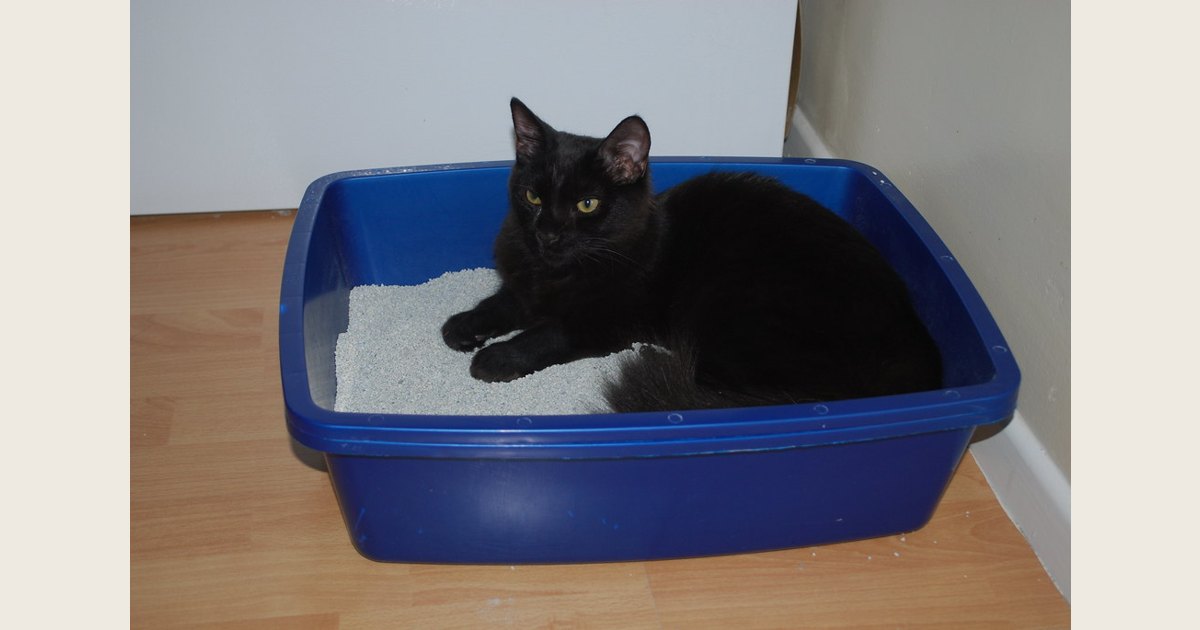
Hero image credit: Photo: he sleeps in the litter box by wolfsavard, Flickr; CC BY 2.0. Resized and padded. Illustrative stock photo; no product testing is implied.
Key Takeaways
- Buy furniture only after measuring the litter box, your cat’s comfortable turning space, the cabinet interior, and the entry opening.
- Prioritize access and cleaning over concealment. A stylish enclosure is not worth a new litter-box aversion.
- An enclosure should not seal in odor. It needs a practical way to scoop, wipe, and air out the area.
- In a multi-cat home, distribute boxes so one cat cannot control access to the only hidden cabinet.
- If a reliably trained cat suddenly avoids the box, consider a medical or stress-related cause rather than assuming the furniture is the fix.
What cat litter box furniture should—and should not—do
Litter box furniture is a cabinet, bench, side table, or converted piece with space for a litter box and an entry cutout. It can reduce visual clutter, catch some tracking inside a larger footprint, and give a room a more finished look. It does not make a box self-cleaning, eliminate the need for good placement, or guarantee odor control.
The cat’s experience is the deciding factor. Ohio State recommends a box large enough for a cat to stand on all fours and turn around. It also cautions that covered boxes concentrate odors. Furniture adds a second enclosure. Keep its interior roomy, not cave-like. It should not make scooping so awkward that daily cleaning slips.
A furniture enclosure is most likely to work for a cat that already uses a box reliably and tolerates some privacy. It is a weaker fit if your cat dislikes lids, needs a low entry, or has mobility limits. It is also not a first fix for new elimination outside the box. The ASPCA lists small boxes, difficult access, hoods, and uncomfortable locations among common litter-box management problems.
Compare the main concealment approaches
| Approach | Best when | Advantages | Tradeoffs to inspect before buying |
|---|---|---|---|
| Cabinet or bench enclosure | You have floor space and a standard litter pan | Hides the pan; top can serve as furniture | Interior clearance, door opening, ability to remove the pan, odor buildup |
| Side-table-style enclosure | You need a smaller visual footprint | Blends into a living room or bedroom | Often too shallow for a roomy pan; may be awkward to scoop |
| DIY conversion | You can safely adapt a sturdy, easy-to-clean piece | Lets you size the opening and interior around your existing setup | Raw cut edges, absorbent materials, poor airflow, access for daily cleaning |
| Decorative screen or smarter placement | Your cat objects to enclosed boxes | Conceals the view without enclosing the pan | Does not contain litter as much; still needs a quiet, accessible location |
For many homes, a screen, plant-safe visual divider, or better placement is the lower-risk option because it leaves the box open. Before committing to a cabinet, see whether a less enclosed solution can meet the concealment goal.
An enclosure should suit the individual cat rather than forcing a preferred look. Photo: Cat in the Box by admiller; CC BY 2.0. Resized and padded. Illustrative stock photo; no product testing is implied.
Measure and inspect before you buy
Start with the pan and your cat’s movement
Measure the outside length, width, and height of the pan you use now. Then allow room for your cat to step in, turn, dig, and reposition. Enough space to slide the pan into a cabinet is not enough. A large cat, a high-sided pan, or a ramp for an older cat needs more interior volume than product photos often suggest.
Check the entry from the cat’s point of view. The opening should be easy to find and pass through. Your cat should not need to crouch excessively, squeeze past sharp edges, or climb. Top-entry furniture and high thresholds can be a poor match for kittens, senior cats, or cats with mobility limitations. The ASPCA specifically notes that high-sided and top-entry boxes can be difficult for older, arthritic, or very young cats.
Make daily cleaning genuinely easy
Open the furniture as you would during a rushed weekday morning. Can you scoop every corner of the pan? Can you lift the pan out without scraping the cabinet or spilling litter? Is there enough clearance to wash the interior after an accident? If the answer to any of those is no, choose a different design.
Daily scooping and weekly washing with mild dish detergent are recommendations from Ohio State’s Indoor Pet Initiative. A cabinet that makes those routines harder is likely to become an odor problem, even if it looks tidy from across the room. For a practical routine, see our guide to how often to change a cat’s litter box.
Treat airflow as a cleaning issue
No furniture enclosure can make a dirty pan smell fresh. Since covered boxes can concentrate odors, avoid designs that seal the pan into an airless compartment. A ventilated back, side gaps, or wide-opening doors can make cleaning easier. None replaces scooping.
Avoid perfumed sprays or air fresheners inside the cabinet. Ohio State advises against putting room deodorizers or air fresheners near the box and notes that many cats dislike scented litter. The best odor-control feature is a setup you can clean without delay.
Set it up without creating a litter-box problem
Put the furniture in a quiet, low-traffic location with a clear route in and out. Picture a cabinet behind a couch or beside a dog’s bed: it may look tidy, but it creates an obstructed route. Ohio State also advises placing boxes away from appliances and air ducts that can startle a cat. For room-by-room guidance, read where to put a cat litter box.
In multi-cat homes, do not use one handsome cabinet as the only bathroom resource. Both Ohio State and the ASPCA recommend one box per cat plus one extra. Ohio State also says to provide boxes on every home level. Spread the boxes out. A more confident cat should not be able to block another cat’s approach.
Introduce a new furniture piece gradually when possible. Keep the familiar pan, litter type, litter depth, and general location stable at first. Leave the cabinet door open or remove a removable panel for the first few days if that helps your cat investigate. If your cat starts hesitating, entering and leaving quickly, or using another surface, return to the known-good open setup. Do not try to make your cat “get used to it.”
Troubleshoot refusal, odor, and tracking
Your cat refuses the furniture. Remove the lid or cabinet barrier, restore the old box setup, and reassess size, entry height, location, and cleaning. Do not punish or place a cat into the box; the ASPCA warns that forcing a cat into a litter box can worsen aversion.
The cabinet smells worse than the open box did. Scoop more consistently, wash the pan and cabinet interior, and check for trapped litter or urine around seams. If the enclosure still holds odor, it may be too enclosed for the home’s cleaning rhythm. An open pan plus a screen may be the better choice.
One cat will not use the hidden box. Add an open alternative elsewhere. Give cats separate, accessible options rather than asking them to share a bottleneck. That is especially important if one cat can watch or ambush another at the entry.
A trained cat suddenly urinates outside the box. Do not assume a behavior issue or a furniture issue. The ASPCA advises ruling out medical problems with a veterinarian, particularly if a cat frequently visits the box, strains, produces little urine, seems painful, or has blood in the urine. Our article on why cats pee outside the litter box can help you organize the non-emergency setup questions, but symptoms of urinary trouble need prompt veterinary attention.
A practical buying checklist
Before purchasing cat litter box furniture, confirm all of the following:
- The interior accommodates the current pan plus comfortable standing and turning room.
- The entrance is low and wide enough for your cat now, not just a product-photo cat.
- You can scoop daily and remove the pan for weekly washing without a struggle.
- The design will not trap odor or encourage use of scented cover-ups.
- The location is quiet, easy to reach, and not a dead end around people or other pets.
- You still have enough separate litter boxes for the number of cats in the home.
- You are willing to stop using the furniture if your cat shows avoidance.
The best cat litter box furniture is the piece your cat barely notices: it keeps the pan accessible, clean, and comfortable while making the room easier for you to live in. If concealment and cat comfort conflict, let the cat win.