Scoop the box at least once a day, and completely change the litter on a schedule that matches what you use: roughly twice a week for plain clay, every two to three weeks for clumping clay if you scoop daily, and about every three to four weeks for crystal (silica) litter. Wash the empty box with mild, unscented soap about once a week. Everything else in this guide is fine-tuning around those three habits.
Key Takeaways
- Scoop waste out of the box daily; this single habit does more for odor and cleanliness than anything else (ASPCA, retrieved 2026-09-14).
- Full litter changes depend on type: plain clay about twice a week, clumping clay every two to three weeks with daily scooping, crystal litter roughly every 20 to 30 days (Humane World for Animals; Fresh Step, retrieved 2026-09-14).
- Wash the box weekly with mild dish soap or baking soda; skip scented, ammonia, citrus, and harsh cleaners that can drive cats away (ASPCA, retrieved 2026-09-14).
- Keep litter about two inches deep and follow the “one box per cat, plus one extra” rule (Humane World for Animals, retrieved 2026-09-14).
- Persistent odor from a freshly scooped box is a signal to change the litter sooner, not to add more scented product.
How Often Should You Scoop the Box?
Scoop every day, ideally around the same time. The ASPCA advises scooping and changing your cat’s litter at least once a day, and the Humane Society (now Humane World for Animals) gives the same baseline: scoop waste daily (ASPCA; Humane World for Animals, retrieved 2026-09-14).
Daily scooping is the habit that keeps a box working. It removes waste before it breaks down and smells, and it lets you notice changes in your cat’s output early. If you have more than one cat or a cat who uses the box heavily, scooping twice a day keeps things fresher and stretches the time between full litter changes.
Scooping is not the same as changing the litter. Scooping removes solid waste and, with clumping litter, the clumps of urine. Changing the litter means dumping everything and starting over. You will do the first far more often than the second.
How Often Do You Fully Change the Litter?
This is where the answer depends on your litter. The type you use changes the schedule more than any other factor.
| Litter type | Scoop | Full change (single cat, scooped daily) | Notes |
|---|---|---|---|
| Plain clay (non-clumping) | Daily | About twice a week | Doesn’t trap urine, so the whole bed saturates faster (Humane World for Animals) |
| Clumping clay | Daily | Every 2–3 weeks | Daily scooping removes urine clumps, so the base lasts longer (Humane World for Animals) |
| Crystal (silica gel) | Daily; stir crystals | About every 20–30 days | Absorbs moisture until saturated; change when most crystals discolor (Fresh Step) |
For plain clay litter, plan on replacing all of it about twice a week, because it doesn’t lock away urine and the whole bed gets soiled quickly (Humane World for Animals, retrieved 2026-09-14).
For clumping clay litter, you can stretch a full change to every two to three weeks if you scoop daily, since removing the clumps takes most of the urine out with them (Humane World for Animals, retrieved 2026-09-14).
For crystal (silica) litter, follow the product’s own instructions, which are usually tied to the litter saturating rather than a fixed day. Fresh Step’s Clean Care Crystals, for example, tells owners to scoop solids and stir the crystals daily and to dump and refill every 20 to 30 days, or when most crystals turn discolored; the company estimates one 8-pound bag lasts about a month per cat based on average use (Fresh Step, retrieved 2026-09-14). Different crystal brands vary, so read the bag you actually bought rather than assuming every product behaves the same.
One rule overrides all of these numbers: if the box smells or looks wet and clumped even after scooping, change it sooner (Humane World for Animals, retrieved 2026-09-14). The schedules above are starting points, not permission to ignore a box that has clearly turned.
How Often Should You Wash the Box, and With What?
Wash the empty box about once a week when you change the litter. The ASPCA recommends rinsing the litter box out completely with baking soda or unscented soap once a week (ASPCA, retrieved 2026-09-14). Humane World for Animals similarly suggests washing the box with mild dish soap (Humane World for Animals, retrieved 2026-09-14).
The bigger point is what to avoid. Cats have a far more sensitive sense of smell than we do, and a box that smells strongly of cleaner can put them off using it. Both organizations warn against scented and harsh products: the ASPCA cautions that scented cleaners can cause litter box aversion, and Humane World for Animals specifically names ammonia, citrus oils, and harsh chemicals as things to steer clear of, noting they can repel cats and be toxic (ASPCA; Humane World for Animals, retrieved 2026-09-14).
In practice: warm water with a little unscented dish soap or baking soda, a good scrub, a thorough rinse, and a full dry before you refill. That’s it. You do not need a specialized “pet-safe” product to do this well, and you should not reach for bleach, ammonia-based cleaners, or anything with a strong citrus scent.
How Deep Should the Litter Be?
Aim for about two inches of litter. The ASPCA suggests one to two inches rather than three to four, and Humane World for Animals notes that most cats prefer about two inches (ASPCA; Humane World for Animals, retrieved 2026-09-14).
Depth is a quiet driver of how often you’ll change the litter. Piling in three or four inches wastes litter without making the box cleaner: cats don’t dig that deep, urine still reaches the bottom, and you’ll toss out plenty of unused litter at each change. Too shallow, and there isn’t enough material to absorb moisture or let your cat cover waste, which can push them to go elsewhere. Two inches is the sweet spot for most cats, though some long-haired cats prefer a shallower layer or a smoother surface (Humane World for Animals, retrieved 2026-09-14).
Crystal litter is an exception on depth. Because it works differently, Fresh Step directs owners to fill the box with at least 1½ to 2 inches of crystals rather than the shallower layer you might use with clumping clay (Fresh Step, retrieved 2026-09-14). Again, the bag’s instructions win.
How Many Boxes, and What Changes With Multiple Cats?
Use the “n+1” rule: one litter box per cat, plus one extra. Both the ASPCA and Humane World for Animals recommend this, so three cats need at least four boxes (ASPCA; Humane World for Animals, retrieved 2026-09-14).
More boxes changes your cleaning math in a good way. With enough boxes, each one gets used less, so odor builds more slowly and you can sometimes stretch full litter changes toward the longer end of the ranges above, as long as you’re still scooping every box daily. Spread the boxes out in different areas rather than lining them up in one spot, and in a multi-level home, put at least one box on each floor (Humane World for Animals, retrieved 2026-09-14). The ASPCA also suggests placing extra boxes where a more anxious cat spends most of her time, so she isn’t forced to cross another cat’s territory to reach one (ASPCA, retrieved 2026-09-14).
What doesn’t change with more cats: the daily scoop and the weekly wash still apply to every box. Two cats sharing three boxes means three boxes to scoop each day, not one.
Odor and Avoidance: When the Schedule Isn’t Working
Treat lingering odor as information, not a fragrance problem. If a box you just scooped still smells, the litter itself is saturated and it’s time for a full change (Humane World for Animals, retrieved 2026-09-14). Masking it with scented litter or a deodorizer risks the opposite of what you want, since strong scents can drive a cat away from the box (ASPCA, retrieved 2026-09-14).
If your cat starts avoiding the box despite a clean, correctly sized setup, run through the easy checks first before assuming a behavior problem:
- Is it actually clean? Scoop it, and if it still smells or clumps look wet, do a full change and wash.
- Is there a cleaner smell? If you recently switched products, rinse thoroughly and go back to unscented soap or baking soda.
- Enough boxes, spread out? Confirm you have one per cat plus one, on each floor.
- Right depth? Adjust toward two inches.
- Recent litter change? An abrupt switch to a new litter type or texture can put some cats off; going back and transitioning slowly can help.
If avoidance continues after the box itself is clean, appropriately sized, and well placed, that’s the point to involve your veterinarian. Sudden changes in litter box habits can signal a urinary or other medical issue, and that’s a diagnosis to make with a professional rather than a cleaning tweak.
When to Retire the Box Itself
A plastic litter box doesn’t last forever. Over months and years of scooping, the surface develops fine scratches that trap odor and bacteria no amount of washing fully removes. When a box holds a smell even right after cleaning, or the plastic is visibly worn and scratched, replace it. This is less about a fixed timeline and more about the box failing to come clean, which is the same signal that tells you to change the litter, applied to the container instead.
Do You Actually Need to Buy Anything?
For most households, a good routine costs almost nothing extra. You already have what you need: a scoop, unscented dish soap or baking soda, and whatever litter your cat likes. The single most effective upgrade is behavioral, not a purchase, and it’s scooping daily.
Spend money only where it solves a real problem. Buy an additional box if you’re short on the n+1 count, or a second box per floor in a multi-level home. Consider switching litter types if your current one forces changes more often than you can keep up with, though remember that a cheaper plain clay changed twice a week and a pricier clumping or crystal litter changed less often can land in a similar place on cost and effort. You don’t need scented additives, deodorizing sprays, or specialized cleaning products, and the scented ones may work against you. Match the litter and the number of boxes to your cat and your schedule, and the maintenance mostly takes care of itself.
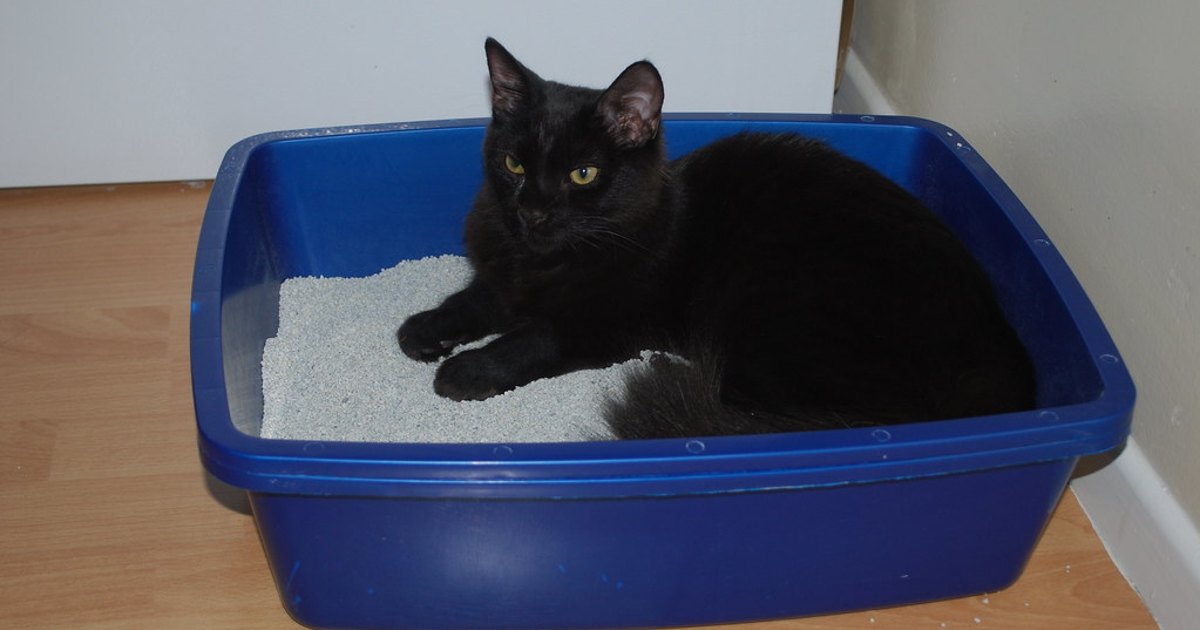
Image credit: “he sleeps in the litter box” by wolfsavard, via Flickr, licensed under CC BY 2.0. Resized and cropped. Illustrative stock photo; no product testing is implied.